Gifting Platform vs. Manual Gifting: Are You Leaving 30% of Your Budget on the Table?
Using a corporate gifting platform typically cuts per-gift admin time by 60–80% and can reduce overall gifting program costs by 20–30%, especially...


Turnkey corporate event gifting experiences offering premium brands, impressive Pop-up Shops, and professionally-trained On-site Staff.

Browse or download the Lookbook for our latest event gifting categories, program types, and expert advice.

Access research, trends, and practical tools designed to help you build smarter, more impactful corporate gifting programs.


In our Client Case Study, we reveal how two Cultivate clients achieved results (and much more!) with our tailored gifting solutions.

Browse or download the Lookbook for our latest event gifting categories, program types, and expert advice.
6 min read
For a long time, event gifting lived in the “nice-to-have” category. Something fun. Something extra. Something that happened at the end of the planning process: if there was budget left over after signage, shipping, booth carpeting, and whatever mysterious line-item costs $14,000 at convention centers.
But event gifting has evolved. Today, the smartest event planners and teams don’t view gifting as a task. They view it as a strategy. Because when gifting is done thoughtfully, it can directly influence attendee engagement, booth traffic, relationship-building, retention, and overall event ROI.
And increasingly, decision-makers want proof. Not just: “This would be fun.” But: “What business outcome does this support?” That shift is changing the entire conversation around event gifting.
The best event planners are no longer asking: “What giveaway should we order?” They’re asking: “What experience are we trying to create — and how do we measure whether it worked?” That’s where the ROI of event gifting becomes much more interesting.
This is the biggest mindset shift happening in corporate events right now. The actual item matters less than the experience surrounding it. A generic giveaway tossed into a tote bag rarely creates a measurable business impact.
But a thoughtful event gift — delivered at the right moment, to the right audience, with the right strategy behind it — absolutely can. That’s because gifting influences behavior. It can:
In other words, gifting is no longer just promotional. It’s behavioral. And once you start viewing event gifting through that lens, measuring ROI becomes much easier.
One reason companies struggle to measure event ROI is that they never clearly define what the gifting program was supposed to accomplish in the first place.
If the strategy is simply: “Hand out stuff and hope people like us,” …it’s difficult to measure success beyond how quickly the giveaway table empties. The strongest event gifting programs begin with clear objectives. For example:
Each of those goals requires a different gifting strategy and different attendee engagement metrics. That’s why smart planners treat gifting less like a procurement task and more like an extension of the event experience itself.
Let’s start with the metric everyone asks about first: booth traffic. Yes, tradeshow gifting can absolutely increase booth visits.
But there’s a catch. Cheap giveaways often create low-quality traffic. Everyone has seen this happen: A booth announces free AirPods or a giant giveaway drawing, and suddenly, attendees swarm the area with absolutely no intention of learning about the company itself.
That may inflate badge scans, but it doesn’t necessarily create meaningful engagement.
The best experiential event gifts foster meaningful interaction rather than random crowd gathering. Thoughtful gifting strategies can encourage:
That’s a much more valuable metric than sheer foot traffic alone. Because ten meaningful conversations will almost always outperform 400 people grabbing stress balls while avoiding eye contact.
Modern event teams are increasingly focused on engagement quality over raw volume.
That’s where gifting becomes especially powerful. Thoughtful event gifting naturally creates interaction. People pause longer. They ask questions. They engage more deeply with the experience itself.
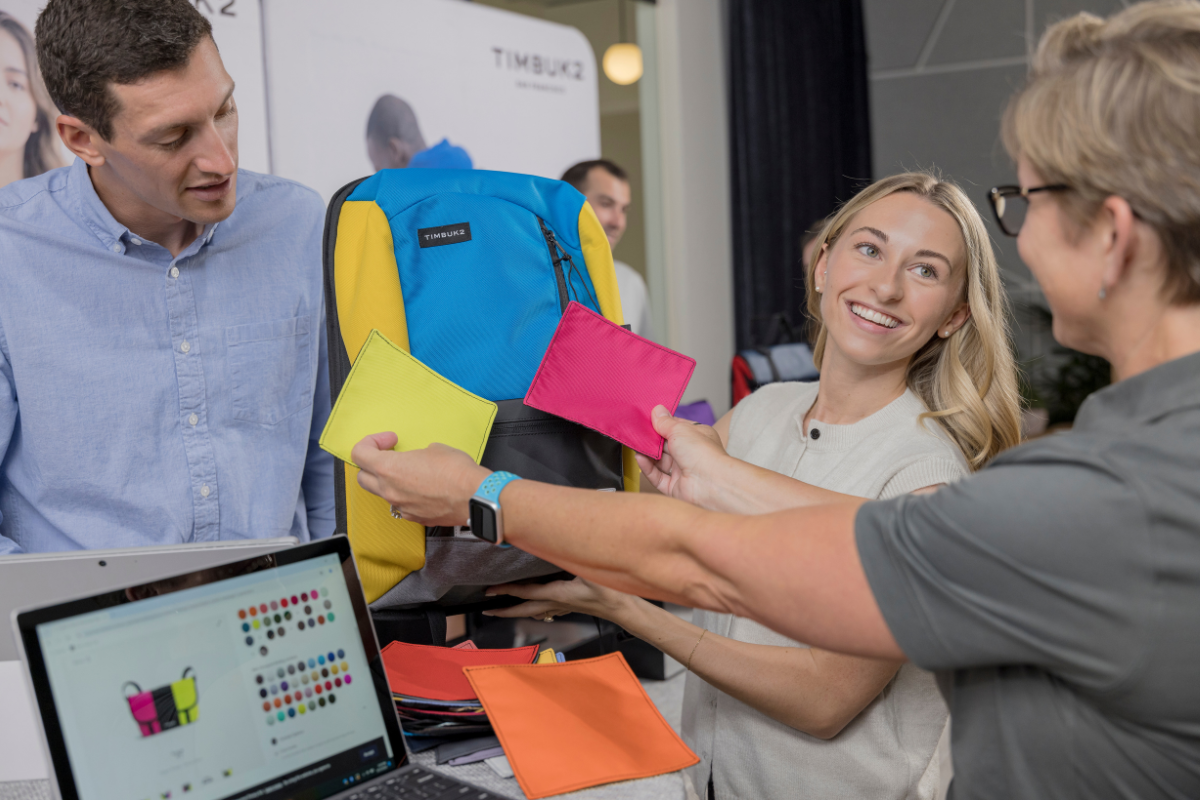
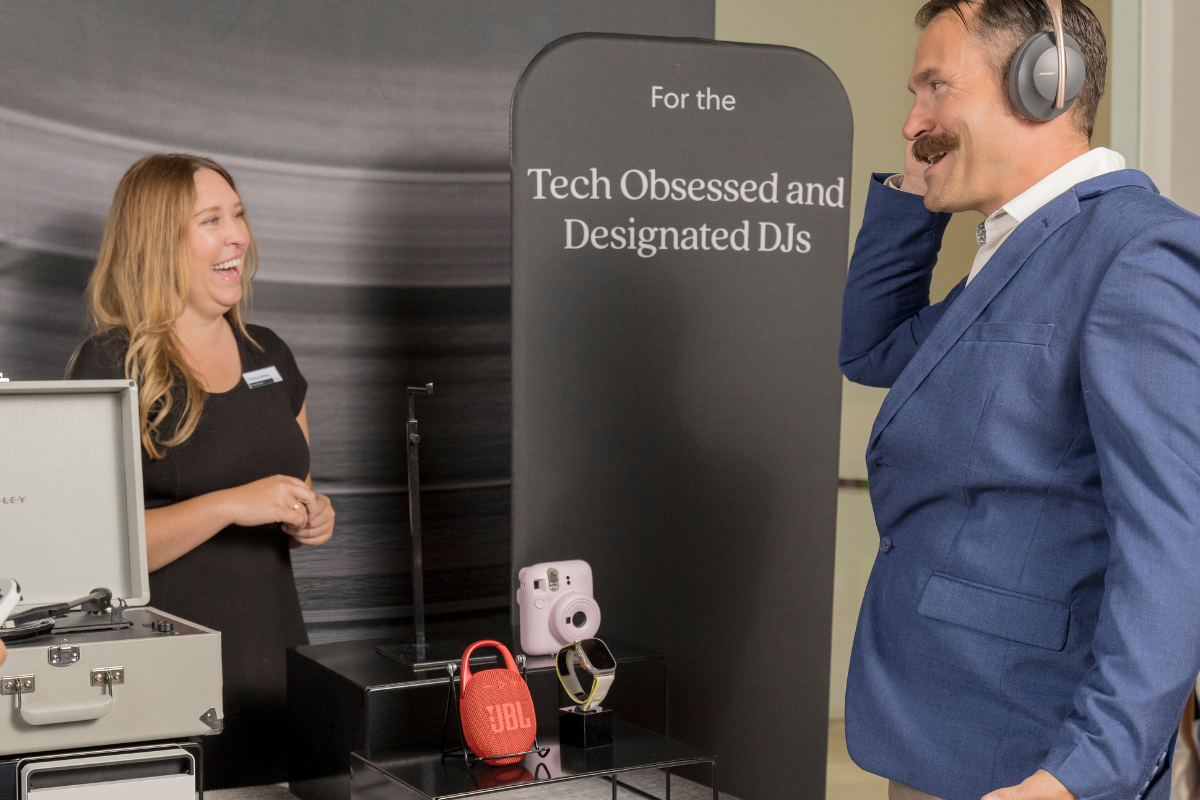
Cultivate’s experiential gifting options work particularly well because they transform attendees from passive observers into active participants. For example:
These experiences create emotional engagement instead of transactional interaction.
And emotional engagement is significantly more memorable. Smart planners often track metrics like:
Because the goal isn’t just to distribute tradeshow gifts. It’s to create sustained attention and a stronger connection.
One of the biggest shifts in event gifting is the move away from one-size-fits-all options. And honestly? It makes perfect sense. Different attendees value different things. One person wants travel gear. Another wants wellness products. Another wants something for their family.
Traditional event tchotchke forces everyone into the same experience. Recipient-choice gifting creates personalization at scale. That matters because personalization increases engagement, memory retention, and overall satisfaction.
It also reduces waste dramatically. Instead of over-ordering thousands of generic items attendees may not even want, recipient-choice gifting allows companies to provide curated options people genuinely value. That creates better redemption rates and stronger emotional response — both important indicators of event gifting success.
It also solves one of the biggest operational headaches in event gifting: leftover inventory. No one wants to end a conference wondering how to fit 600 unused branded drawstring backpacks into a return shipment.
This is where event gifting becomes more strategic than many organizations realize. Not every ROI metric fits neatly into a spreadsheet.
Some of the strongest returns from gifting come from emotional perception. People remember how brands made them feel. And at crowded conferences where attendees interact with dozens — sometimes hundreds — of companies in a single week, emotional differentiation matters. A thoughtful gifting experience can make a brand feel:
That perception influences future behavior. People are more likely to:
Those outcomes may not appear immediately on an event dashboard, but they absolutely influence long-term event ROI.
The smartest conference gifting strategies don’t end when the conference does. This is one of the biggest differences between transactional swag and strategic gifting.
Most traditional giveaways disappear the second attendees leave the venue. Thoughtful gifting continues the relationship. Post-event gifting can support:
And, importantly, gifting can increase post-event response rates by creating a positive emotional association before outreach even begins. A follow-up email feels different after someone has had a thoughtful, memorable interaction with your brand.
You’re no longer just another company in their inbox. You’re the company that created a meaningful gift experience. That’s a huge competitive advantage.
For years, event success was measured heavily around lead generation. That’s still important, of course. But modern event strategies increasingly focus on relationship retention and loyalty. Especially in industries where long sales cycles and repeat relationships matter.
This is where corporate gifting becomes particularly valuable. Thoughtful gifting helps reinforce:
And people who feel emotionally connected to a brand are more likely to stay engaged with it over the long term. That’s part of why gifting plays such a large role in:
The goal isn’t just visibility. It’s relationship durability.
Here’s something event planners know well but rarely talk about publicly: Events are exhausting. The logistics. The travel. The setup. The pressure. The endless walking. The emergency problem-solving.
Thoughtful gifting doesn’t just impact attendees — it also impacts internal teams. Recognition gifts for event staff, sales teams, leadership, and partners can improve morale and create a stronger internal culture around major events. And yes, that matters for ROI too.
Engaged internal teams create better attendee experiences. Companies that invest thoughtfully in appreciation often see stronger alignment, better energy onsite, and more positive interactions overall. That emotional ripple effect matters more than most organizations realize.
One of the biggest misconceptions around event gifting is that “premium” automatically means expensive. Not true. The strongest event gifting strategies focus on value perception, not simply cost. People notice intentionality. They notice quality. Usefulness. Presentation. Personalization. Timing.
That’s why our Signature Collections tend to outperform random promotional products. Because the experience itself creates value. And importantly, premium gifting can actually reduce wasteful spending by:
In other words, better gifting often leads to greater efficiency.
This is where the conversation gets especially interesting. More event teams are beginning to think beyond traditional ROI and focus on something broader: ROA, Return On Appreciation.
Because appreciation creates measurable business impact. When people feel valued, they engage differently. Clients become more loyal. Employees become more connected. Attendees become more receptive. Relationships become stronger.
Not every meaningful business outcome happens immediately after a badge scan. Some outcomes happen months later through:
The smartest planners understand that appreciation itself creates value. And thoughtful gifting is one of the most effective ways to communicate appreciation at scale.
The days of handing out random conference items like koozies, stress balls, and lip balm just to fill a table are fading. Modern event gifting is becoming:
Event teams are under increasing pressure to prove value, create meaningful engagement, and maximize event investment. Thoughtful gifting supports all three. But only when it’s approached strategically. The best event gifting programs don’t ask: “What’s the cheapest thing we can hand out?” They ask: “What experience do we want people to remember?”
That’s a completely different mindset. And it produces completely different results.
At the end of the day, event gifting should support something bigger than the gift itself. It should create momentum. Momentum for conversations. For relationships. For engagement. For loyalty. For future connection.
The strongest event gifting strategies create experiences people remember long after the conference ends. Not because the gift was flashy. Not because it was expensive. But because it felt thoughtful, intentional, and genuinely human. And increasingly, that emotional connection is one of the most valuable event metrics a brand can measure.

Using a corporate gifting platform typically cuts per-gift admin time by 60–80% and can reduce overall gifting program costs by 20–30%, especially...

Holiday planning in July might sound premature—but for high-performing teams, it’s a strategic advantage. While most organizations wait until Q4 to...

And How Empathy, Gratitude, and Human-Centered Connection Drive Measurable Business Outcomes (with a little help from thoughtful corporate gifting). ...